
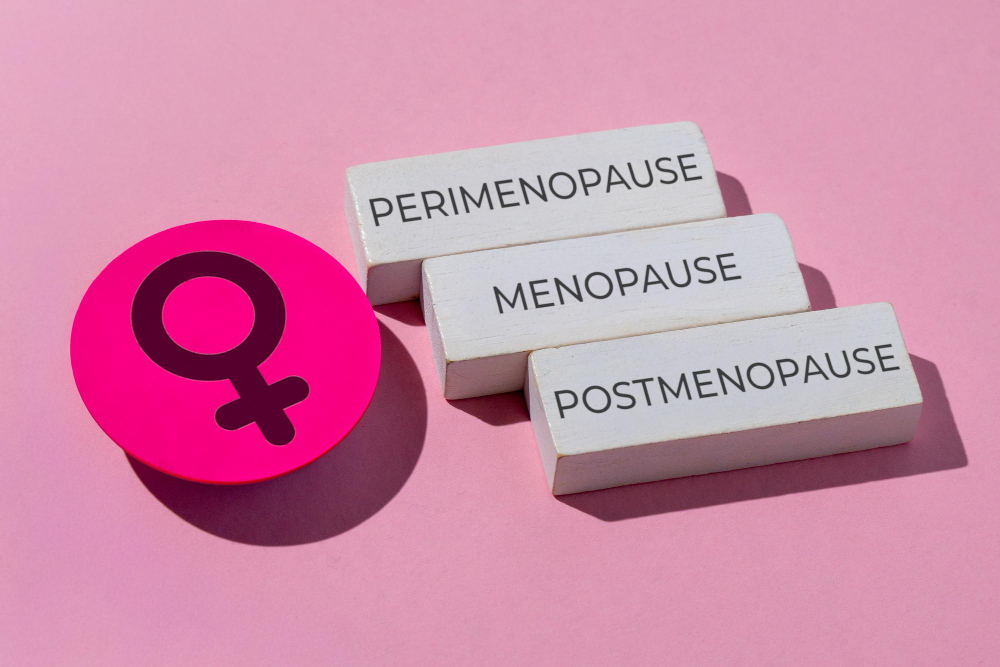
What Is Perimenopause?
Perimenopause is the time before menopause when a woman’s body starts changing. During this stage, hormone levels, like estrogen and progesterone, begin to shift. Because of these changes, women may notice irregular periods or new symptoms. Usually, perimenopause starts in a woman’s 40s, but it can begin earlier for some. In fact, this stage can last for several years. According to the World Health Organization (WHO), perimenopause is a natural part of aging for women. However, every woman’s experience can be different.
What Is Menopause?
Menopause marks the end of a woman’s menstrual cycles. Doctors say a woman has reached menopause when she has not had a period for 12 months in a row. At this point, the ovaries stop releasing eggs, and hormone levels drop further. Usually, menopause happens between ages 45 and 55. However, it can occur earlier or later. The Centers for Disease Control and Prevention (CDC) states that menopause is a normal stage in a woman’s life. After menopause, women can no longer become pregnant naturally.
Key Differences Between Perimenopause and Menopause
Although perimenopause and menopause are related, they are not the same. For example, perimenopause is the transition phase leading up to menopause. In contrast, menopause is the point when periods have stopped for one full year. Here are some key differences:
Common Symptoms of Perimenopause and Menopause
Many women experience symptoms during both perimenopause and menopause. However, the type and severity can vary. For instance, some women may notice only mild changes, while others have stronger symptoms. Common symptoms include:
Because symptoms can overlap, it is important to talk with a healthcare provider if you have concerns.
Causes and Risk Factors
Both perimenopause and menopause happen because of natural hormonal changes. As women age, their ovaries make less estrogen and progesterone. This leads to changes in periods and other symptoms. However, some factors can affect when these changes begin. For example, smoking, certain medical treatments, or family history may cause earlier menopause. According to the CDC, women who have had surgery to remove their ovaries will enter menopause right away. Other risk factors include:
Diagnosis: How Doctors Distinguish Perimenopause from Menopause
Doctors use several methods to tell perimenopause from menopause. First, they ask about symptoms and menstrual history. If periods have stopped for 12 months, menopause is likely. Sometimes, doctors may order blood tests to check hormone levels. However, hormone levels can change from day to day. Therefore, test results alone may not give a clear answer. In some cases, doctors may rule out other causes for symptoms, such as thyroid problems. It is important to see a healthcare provider for an accurate diagnosis.
Treatment and Management Options
Treatment for perimenopause and menopause focuses on easing symptoms. Not every woman needs treatment, but some may benefit from it. For example, doctors may suggest:
Because each woman is different, treatment plans are tailored to individual needs. The Mayo Clinic and other trusted sources recommend talking with a doctor about risks and benefits.
Lifestyle Tips for Managing Symptoms
Many women find that healthy habits can help manage symptoms of perimenopause and menopause. For instance, regular exercise can boost mood and help with weight control. In addition, eating a balanced diet supports bone and heart health. Here are some tips:
Because small changes can make a big difference, it is helpful to try different strategies and see what works best.
Prevention and Health Maintenance
While perimenopause and menopause are natural, women can take steps to protect their health during these stages. For example, regular check-ups help catch problems early. In addition, bone density tests can spot early signs of osteoporosis, which is more common after menopause. The CDC suggests:
Because every woman’s needs are unique, it is important to consult Dr. Lily at Alvus Care for healthy aging.